Open a new game and the lesson starts before the first match. A glowing crate, starter currency, a daily streak, a free spin counter, a skipped payment step. The reward is not decoration. It tells the player where to click, what matters and whether the game respects their time.
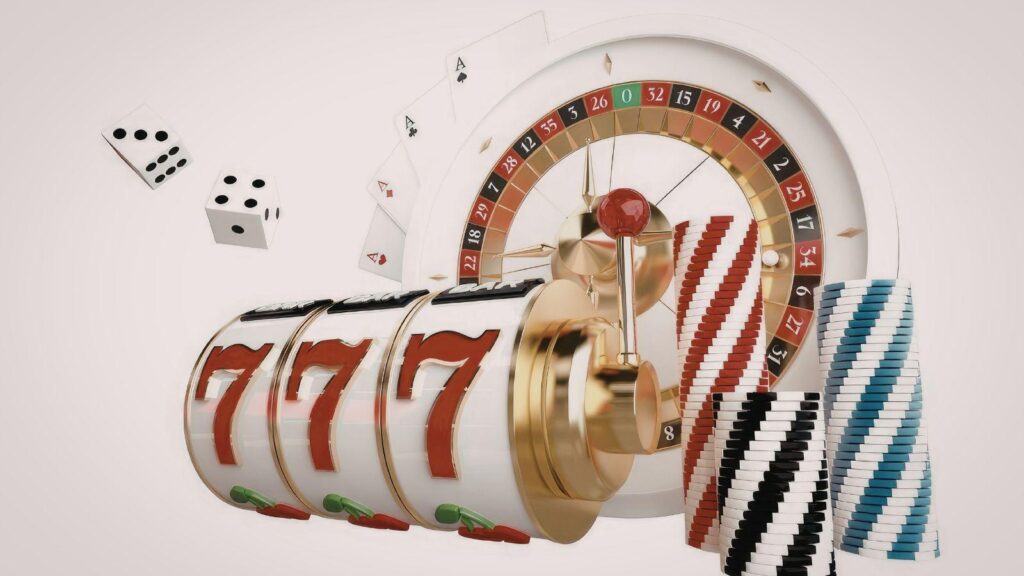
A guide to 50 free spins on registration fits that same starter-reward logic, since it explains how trial spins are claimed, which rules sit behind them and what safer promotions look like before a player signs up.
The first five minutes now decide the next session
The games market is huge, but patience is thin. Global gaming revenue sits near $188.8 billion, with around 3.6 billion players across mobile, PC and console. That scale gives players endless choice. It also makes the opening minutes ruthless.
A weak tutorial used to be annoying. Now it can end the session. Players have other matches to queue, other quests to run and other platforms fighting for the same evening. The first few actions need to explain movement, reward flow, menu logic and progression without slowing the player down.
Strong openings usually do four things fast:
- give the player one clear task
- show the reward before the grind
- avoid long text boxes
- unlock control quickly
- make the next step obvious
Good onboarding feels like play, not homework. The player learns by collecting, upgrading, spinning, moving, shooting or opening the first reward.
Starter rewards replaced long explanations
Old tutorials often stopped the game to explain the game. Modern titles prefer a cleaner trick. They give the player something useful, then let that object explain the system.
A starter sword teaches equipment. A free character teaches team building. A first loot box teaches rarity. A welcome bundle teaches the shop. A small pile of soft currency teaches upgrades without forcing the player to spend real money.
Mobile gaming shows why this style became normal. In-app purchase revenue reached around $82 billion, and total mobile gaming sessions rose by 12%. Players are not avoiding games. They are avoiding friction. A reward that appears at the right moment can keep a session moving.
Starter rewards work best when they connect to real game actions:
- Claim a reward
- Use it immediately
- See the result on screen
- Understand the next upgrade path
- Return later for another step
That loop is simple, but it explains why daily login bonuses, starter packs and first-match rewards keep appearing across genres.
Registration rewards borrow from game onboarding
Registration rewards are not separate from game design anymore. They sit beside account creation, first login and the first playable action. In a shooter, that might be a weapon skin. In a sports game, it might be a starter pack. In a casino-style lobby, it may be spins attached to account setup.
The useful version is not just “sign up and get something.” The useful version shows what happens after the claim. Players look for eligible games, expiry time, reward limits and the next step after activation. That is the difference between a real onboarding tool and a noisy banner.
A good registration reward should answer basic questions before the player has to dig:
- what is unlocked
- where it can be used
- how long it lasts
- whether winnings or items have limits
- what happens after the first use
- whether identity checks appear later
Gaming audiences understand this language already. Nobody wants a battle pass with hidden tiers or a quest reward that changes after completion. The same standard now applies to any first-login offer.
Live-service games turned rewards into routine
Live-service games changed the meaning of a “finished” product. Fortnite, Roblox, Genshin Impact, Valorant and similar ecosystems keep players active through seasons, quests, events, cosmetics and timed unlocks. The first reward is only the doorway.
A battle pass shows this clearly. The player sees a track of future items before playing. The game turns progress into a visible ladder. Daily quests add pressure without needing a long session. Limited events create urgency, but the best ones still show the rules plainly.
That structure trains players to read rewards with sharp eyes. They check whether a skin is cosmetic only. They notice if a premium tier changes access. They compare grind time against reward value. Gaming culture has become fluent in progression math.
The strongest live-service systems usually combine:
- short daily tasks
- visible progress bars
- cosmetic rewards
- limited-time events
- returning-player bonuses
- seasonal resets
- social proof through squads, guilds or leaderboards
Rewards keep people returning when the loop feels fair. They push players away when the loop feels cloudy.
Clear reward rules keep players in control
A reward can look exciting and still fail. The problem usually appears in the small print: unclear expiry, confusing eligibility, locked games, delayed access or limits that appear after the first click. Gamers spot that quickly because they have seen weak reward systems before.
Clean rules make a platform feel better built. The player does not need every detail on the first screen, but the important parts should be close. A short tooltip, a clear reward page or a visible claim path can do more than a large graphic with no context.
First-login rewards became the new tutorial because they teach by doing. They show the interface, reveal the reward economy and set the tone for the platform. A good one gives players momentum. A bad one feels like a trap. In modern gaming, that difference can decide whether the first login becomes a habit or a one-time visit.